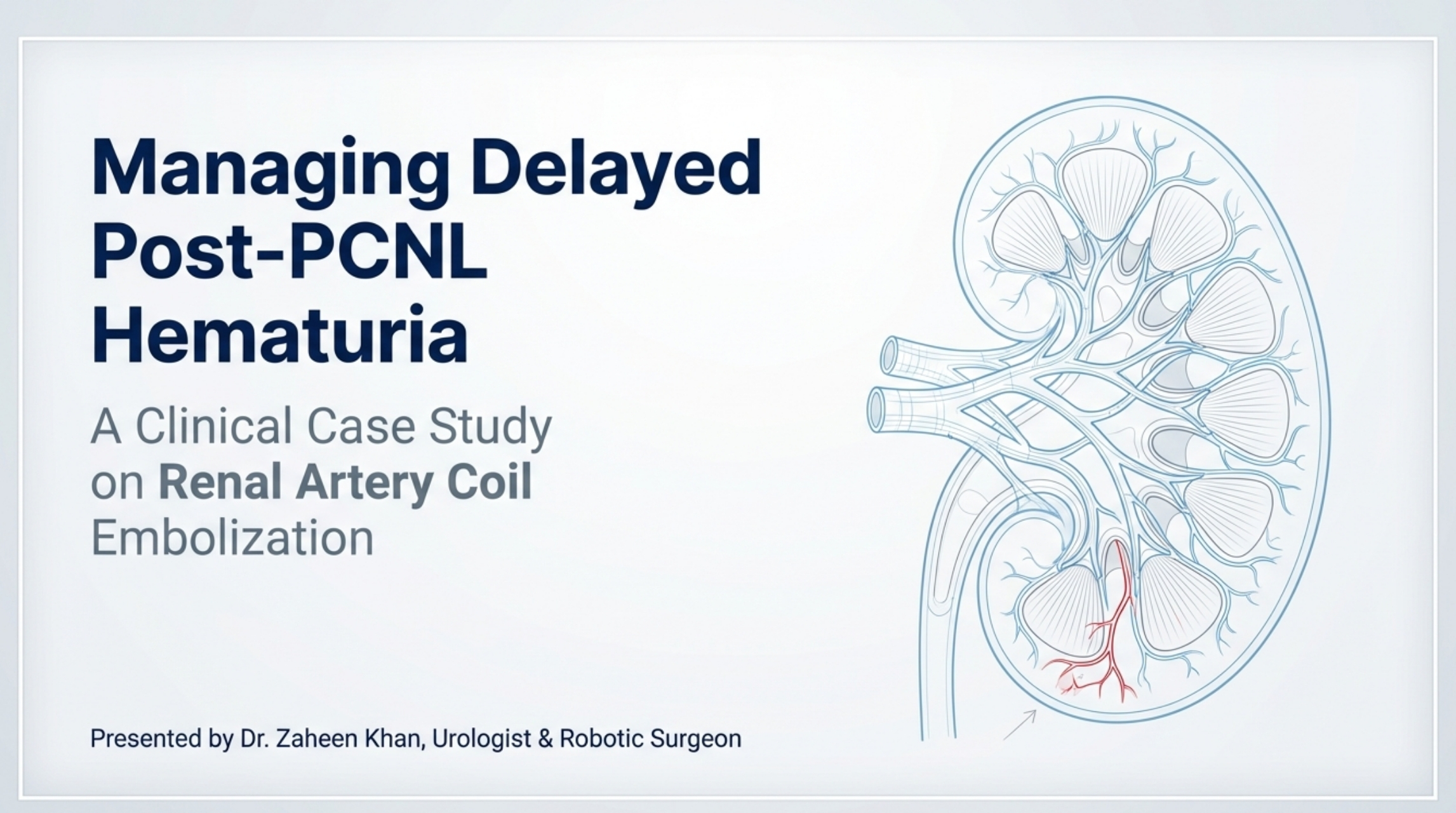
Post-PCNL Hematuria Managed Successfully with Renal Artery Coil Embolization :- Dr. Zaheen Khan, Urologist and Robotic Surgeon
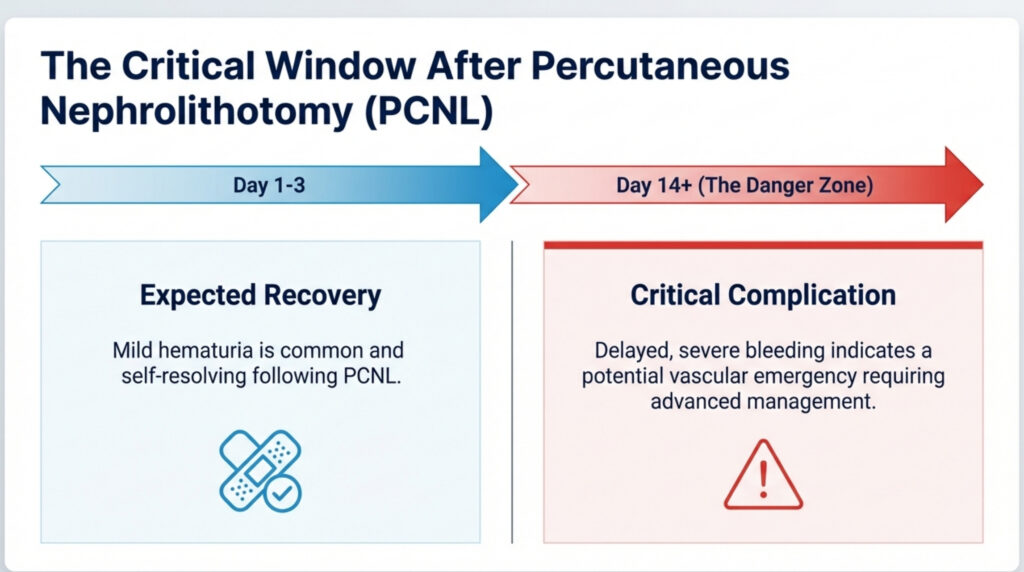
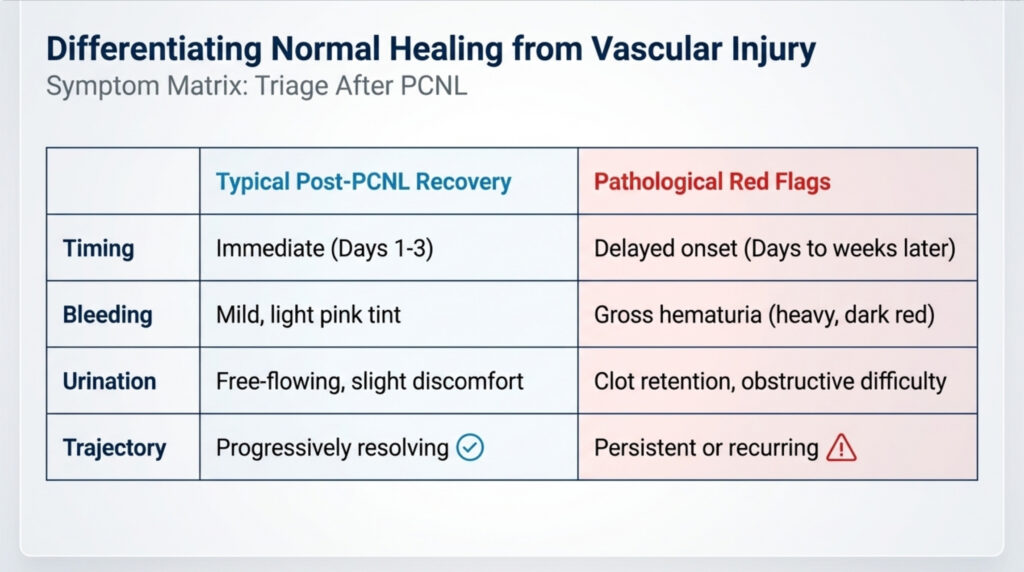
Hematuria (blood in urine) is a known but sometimes serious complication after kidney stone surgery such as PCNL (Percutaneous Nephrolithotomy). While mild bleeding is common and usually resolves on its own, delayed or severe bleeding requires urgent evaluation and advanced management.
In this case, Dr. Zaheen Khan, Urologist & Robotic Surgeon, successfully managed a patient presenting with delayed hematuria due to renal pseudoaneurysm using minimally invasive interventional techniques.
Case Overview
The patient presented with:
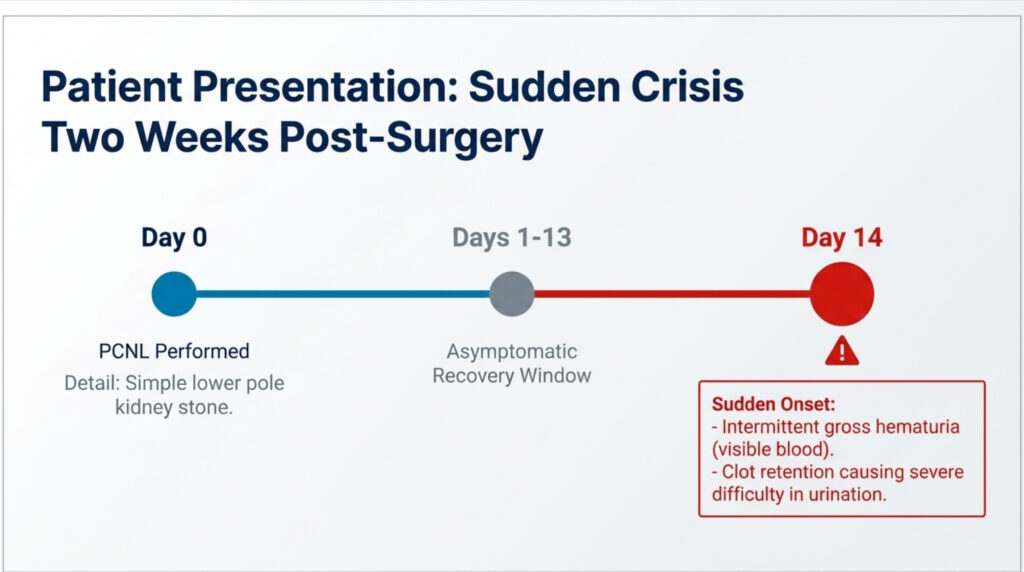
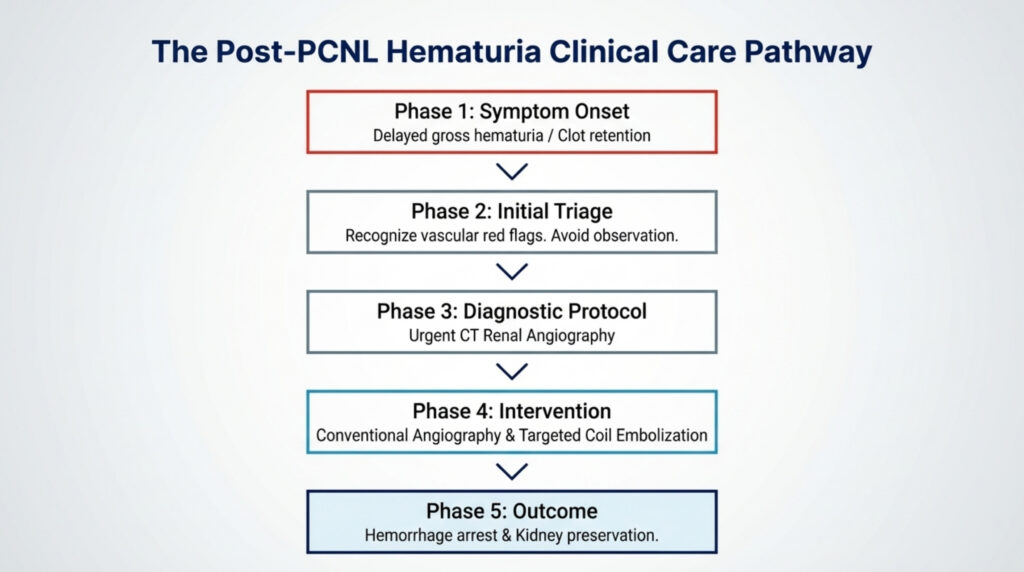
Intermittent episodes of gross hematuria (visible blood in urine) Clot retention, causing difficulty in urination Symptoms beginning two weeks after PCNL, which was performed for a simple lower pole kidney stone
Due to persistent and concerning bleeding, the patient was referred for further evaluation and definitive treatment.
Understanding the Cause: Pseudoaneurysm After PCNL
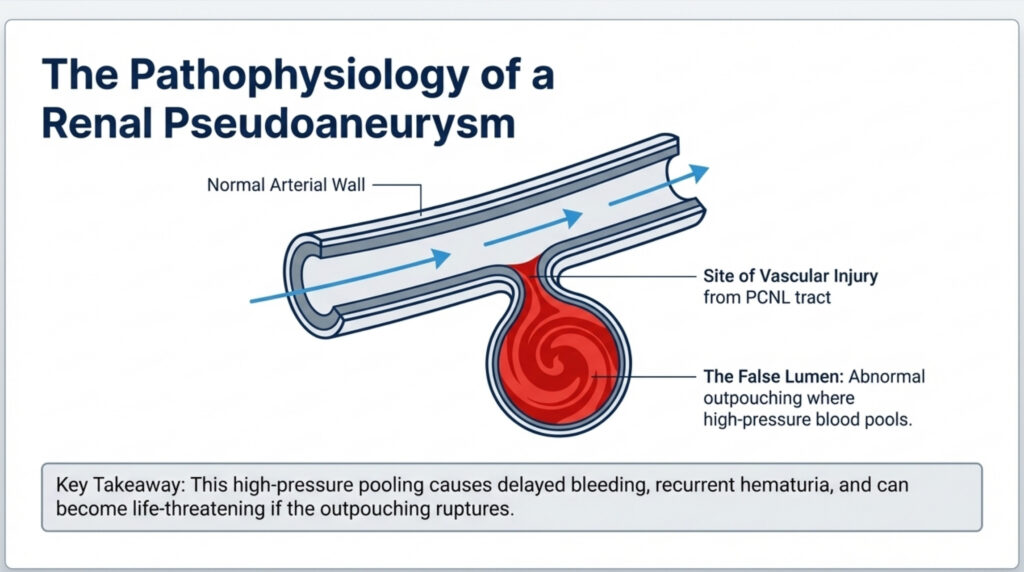
Post-PCNL bleeding can sometimes be due to injury to renal blood vessels. In rare cases, this leads to formation of a pseudoaneurysm, which is an abnormal outpouching of an injured artery.
Pseudoaneurysms can:
Cause delayed bleeding Lead to recurrent hematuria Result in clot retention Become life-threatening if untreated
Timely diagnosis is crucial to prevent complications.
Diagnosis Using CT Renal Angiography
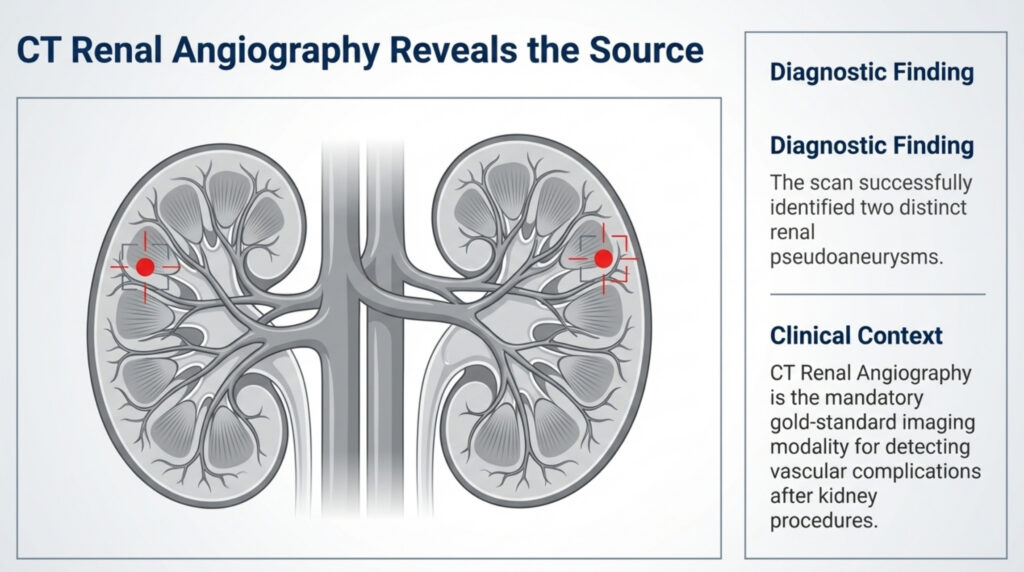
To identify the exact cause of bleeding, a CT renal angiography was performed.
The scan revealed:
Two renal pseudoaneurysms, confirming the source of bleeding
This imaging modality plays a key role in detecting vascular complications after kidney procedures.
Definitive Management: Renal Angiography and Coil Embolization
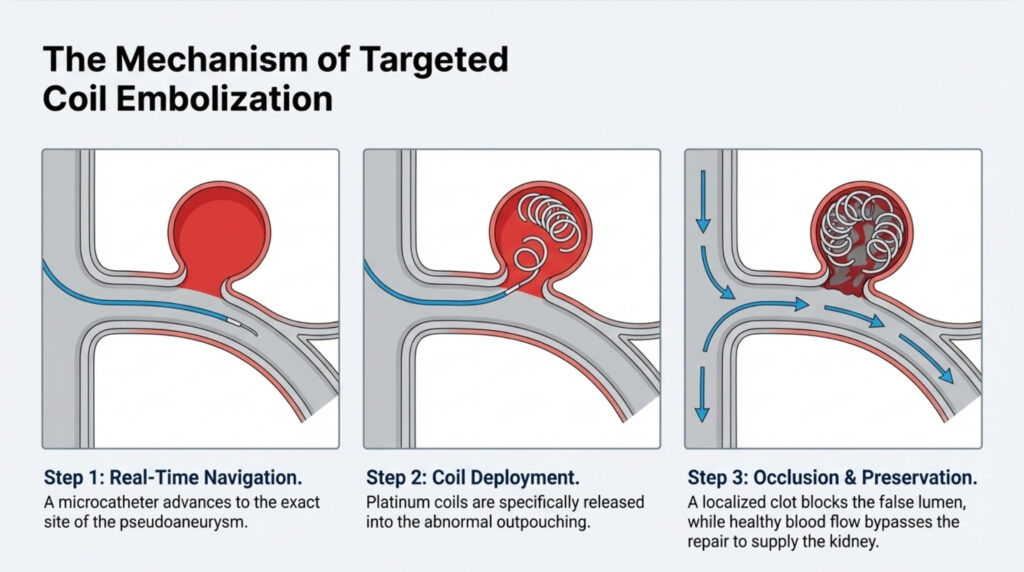
Following diagnosis, the patient underwent conventional renal angiography, which allows direct visualization of blood vessels in real-time.
During the procedure:
The pseudoaneurysms were precisely located Targeted coil embolization was performed Blood flow to the abnormal vessels was successfully blocked
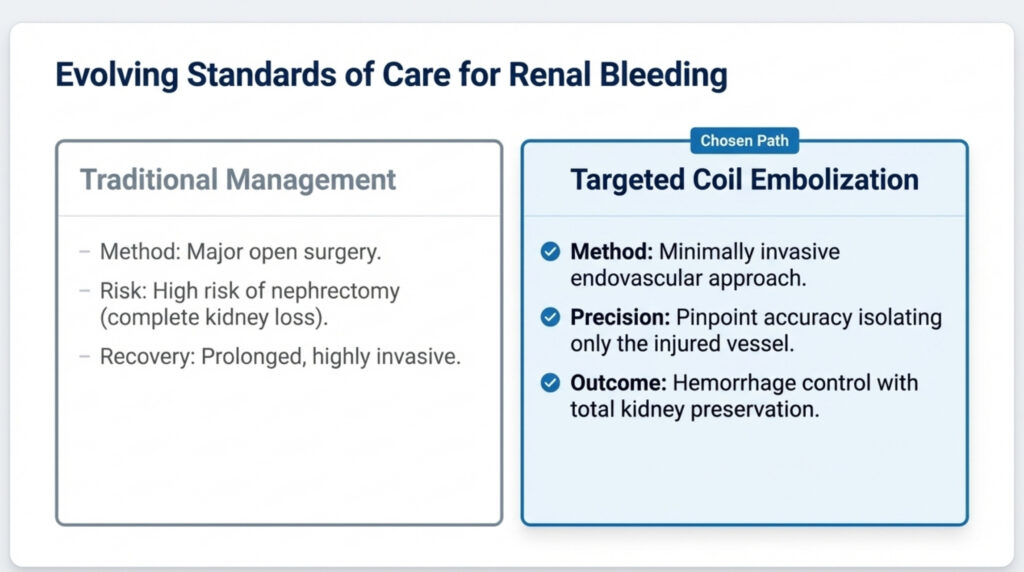
Coil embolization is a minimally invasive procedure that helps stop bleeding without the need for open surgery.
Outcome
After the procedure:
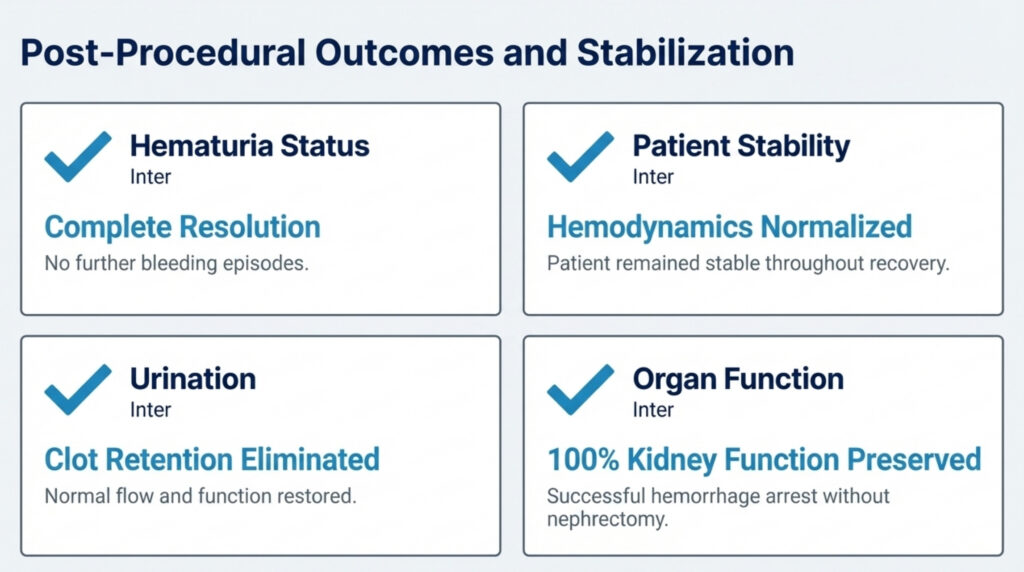
Hematuria resolved completely No further bleeding episodes occurred The patient remained stable Kidney function was preserved
This case highlights the effectiveness of timely interventional management in preventing serious complications.
Importance of Early Recognition
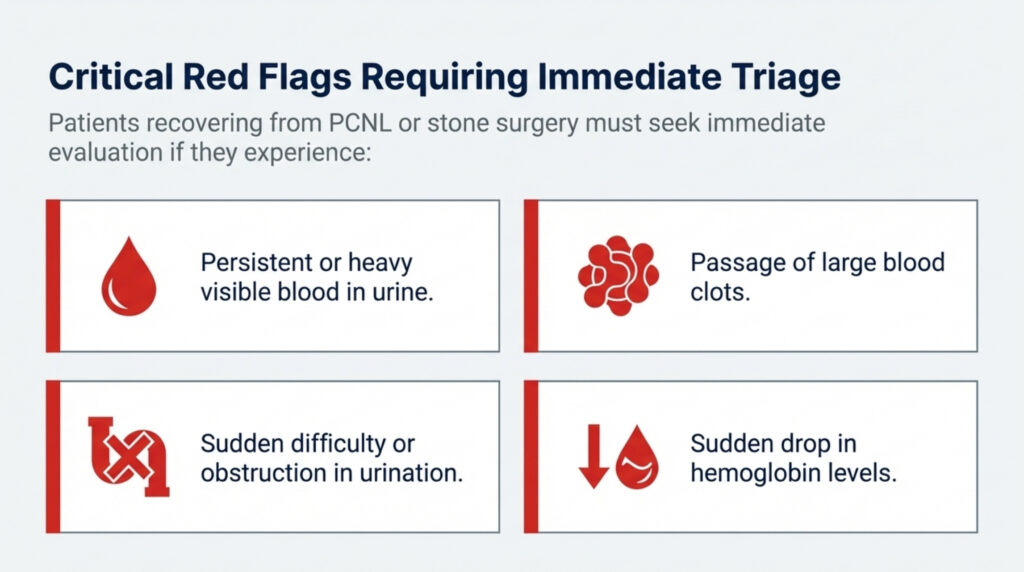
Patients who undergo PCNL or kidney stone surgery should seek immediate medical attention if they experience:
Persistent or heavy blood in urine Passage of clots Difficulty in urination Sudden drop in hemoglobin
Early diagnosis allows for minimally invasive treatment and avoids major surgery.
Advanced Urology Care in Bihar
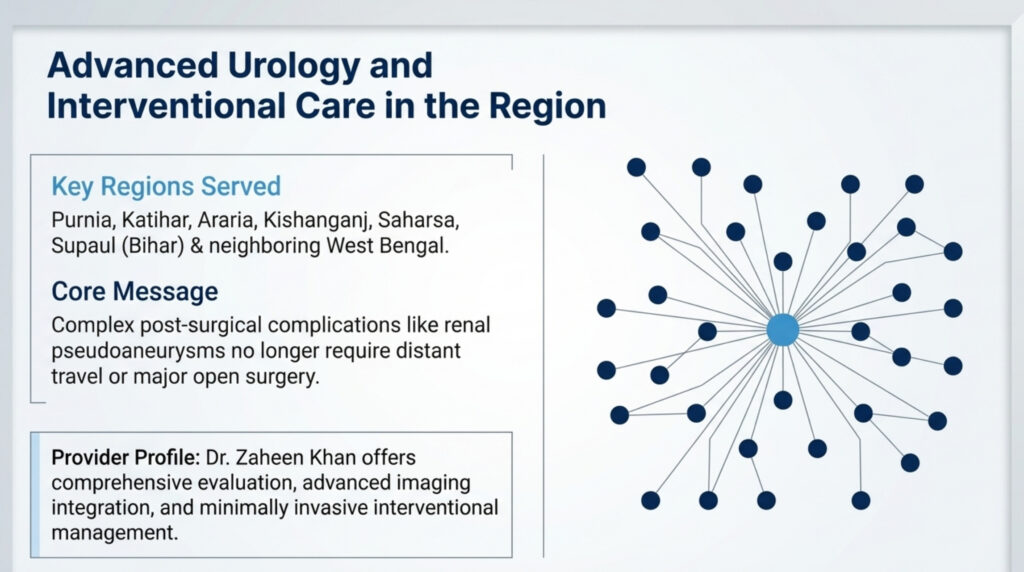
Patients from Purnia, Katihar, Araria, Kishanganj, Saharsa, Supaul, across Bihar, and nearby West Bengal districts often present with complications after kidney stone surgery.
With advanced imaging and interventional techniques, complex conditions like renal pseudoaneurysm can now be managed effectively.
Dr. Zaheen Khan provides comprehensive evaluation and advanced urological care, including management of post-surgical complications with minimally invasive procedures.
Conclusion
Delayed hematuria after PCNL can be a serious condition when associated with vascular complications such as pseudoaneurysm. However, with modern diagnostic tools and interventional procedures like coil embolization, effective and safe treatment is possible.
This case demonstrates the importance of early diagnosis, proper imaging, and expert management in achieving successful outcomes while preserving kidney function.