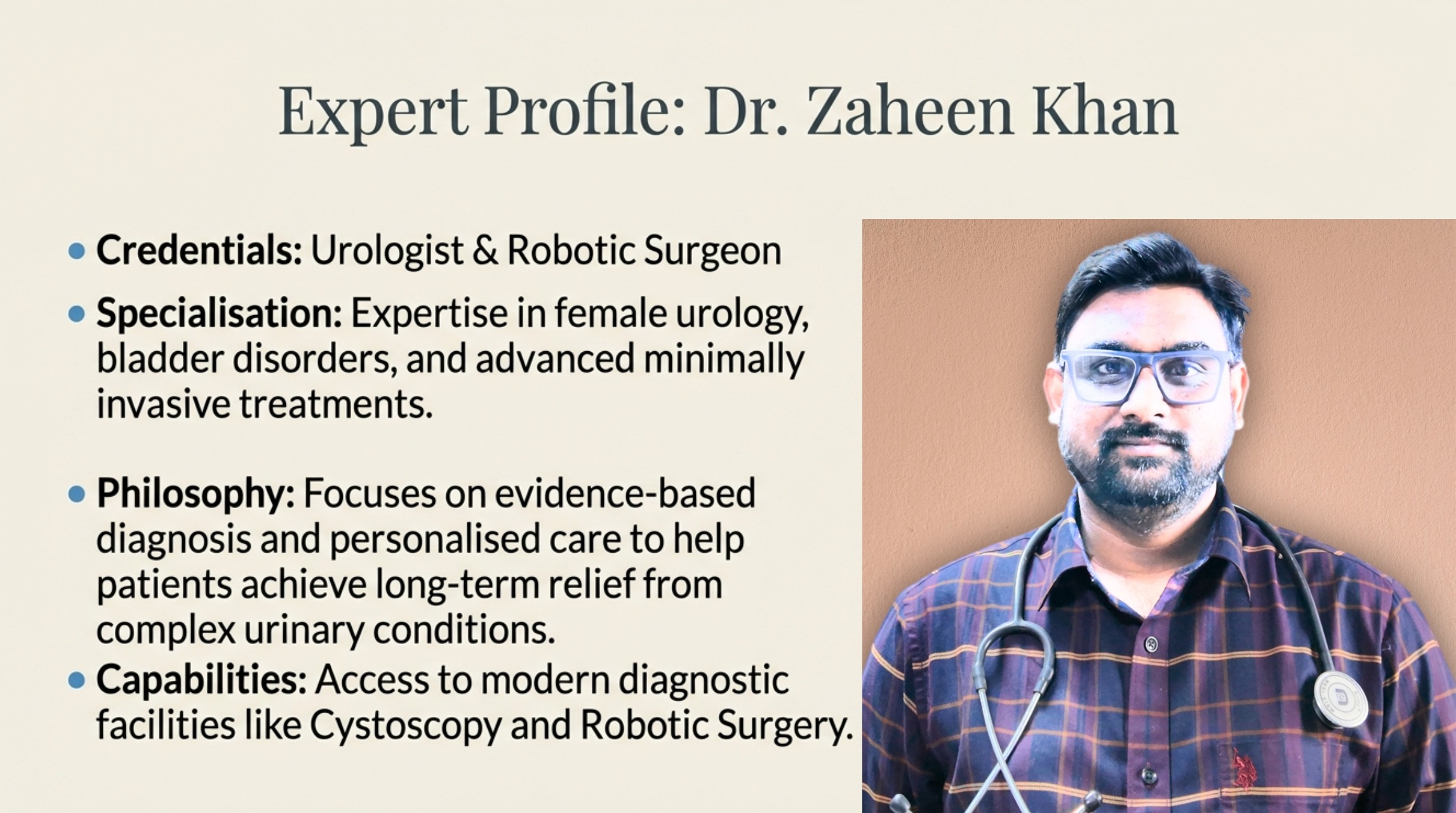
Burning, Pain & Frequent Urination in Women: Understanding UTI, Overactive Bladder, and Bladder Pain Syndrome- Dr. Zaheen Khan, Urologist and Robotic Surgeon
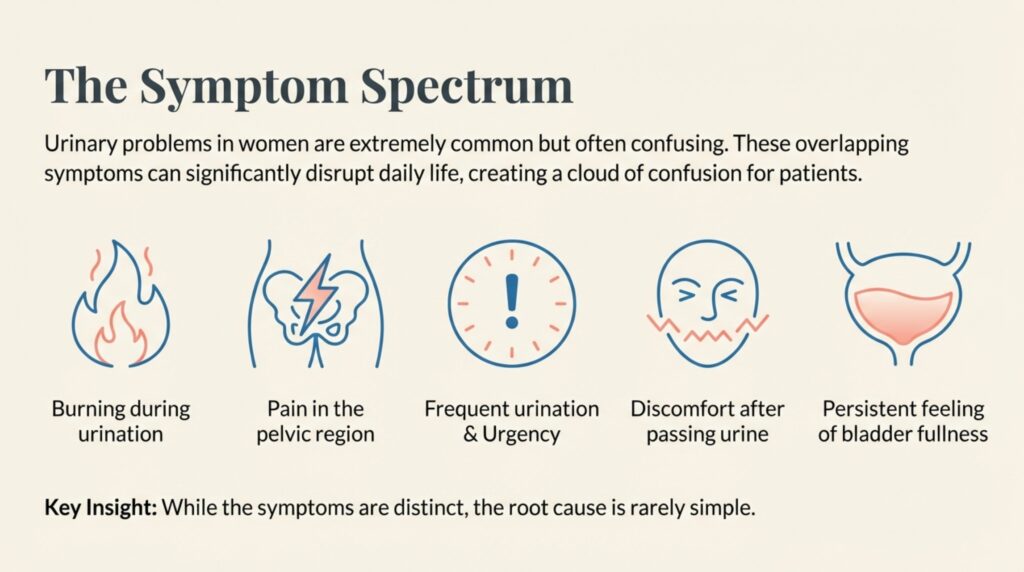
Urinary problems in women are extremely common and often confusing. Symptoms such as burning during urination, pain, frequent urination, urgency, discomfort after passing urine, and a persistent feeling of bladder fullness can significantly affect daily life. While many patients initially assume these symptoms are due to a urinary tract infection (UTI), the underlying cause is not always so simple.
According to Dr. Zaheen Khan, Urologist & Robotic Surgeon, several urological conditions can present with overlapping symptoms, making accurate diagnosis essential for effective treatment. The three most commonly confused conditions in such cases are Urinary Tract Infection (UTI), Overactive Bladder (OAB), and Bladder Pain Syndrome (BPS), also known as Interstitial Cystitis.
Urinary Tract Infection (UTI) in Women
Urinary tract infection is usually the first diagnosis considered when a woman presents with burning, pain, and frequent urination. UTIs are relatively easy to diagnose with basic investigations.
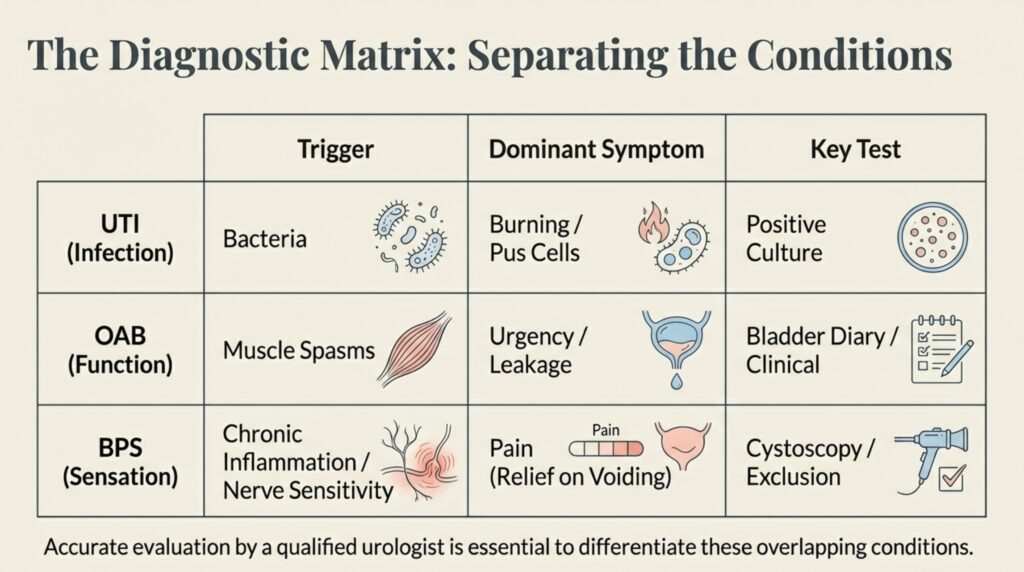
An early morning urine routine examination is typically performed. The presence of pus cells, bacteria, or a positive leukocyte esterase test suggests infection. To further confirm the diagnosis, a urine culture is done to identify the exact bacteria responsible and to determine which antibiotics will be most effective.
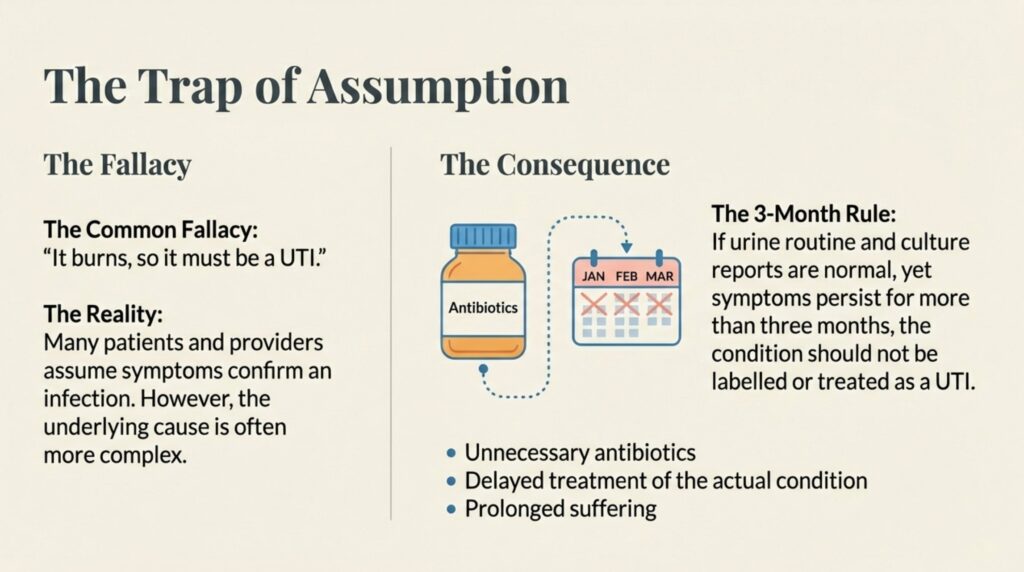
Dr. Zaheen Khan explains that UTIs can usually be treated effectively once the appropriate antibiotic is selected based on culture sensitivity. However, an important point often overlooked is that if urine routine and culture reports are normal and symptoms persist for more than three months, the condition should not be labeled as a UTI. In such cases, repeated antibiotic use may do more harm than good.
Overactive Bladder (OAB)
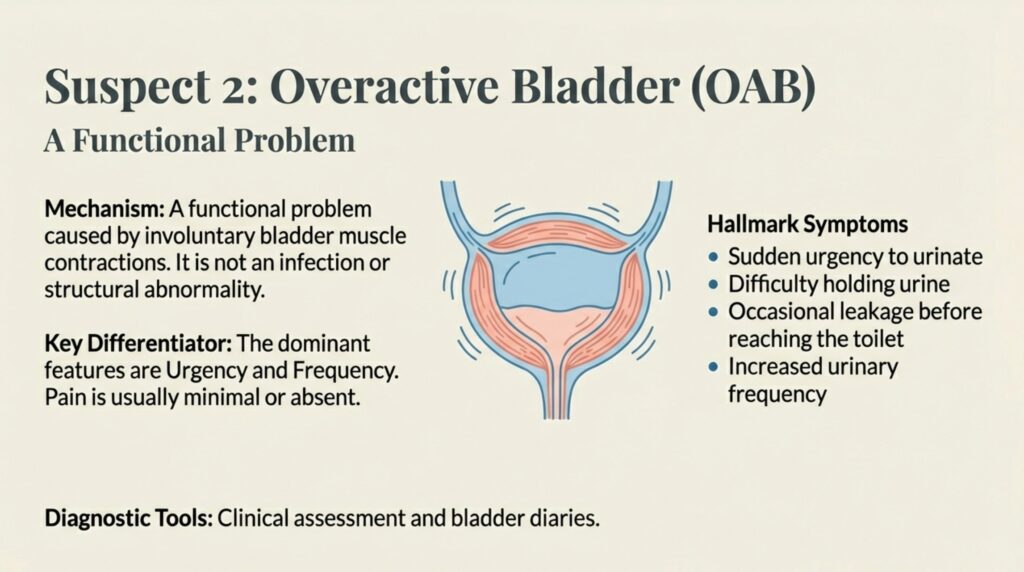
Overactive bladder is another common cause of urinary complaints in women. The hallmark symptoms of OAB include:
Increased urinary frequency
Sudden urgency to urinate
Difficulty holding urine
Occasional leakage before reaching the toilet
Burning during urination may be present, but pain is usually minimal or absent. The dominant features are urgency and frequency rather than pain.
Overactive bladder occurs due to involuntary bladder muscle contractions. It is a functional problem rather than an infection or structural abnormality. Diagnosis is mainly clinical and is supported by symptom patterns and bladder diaries.
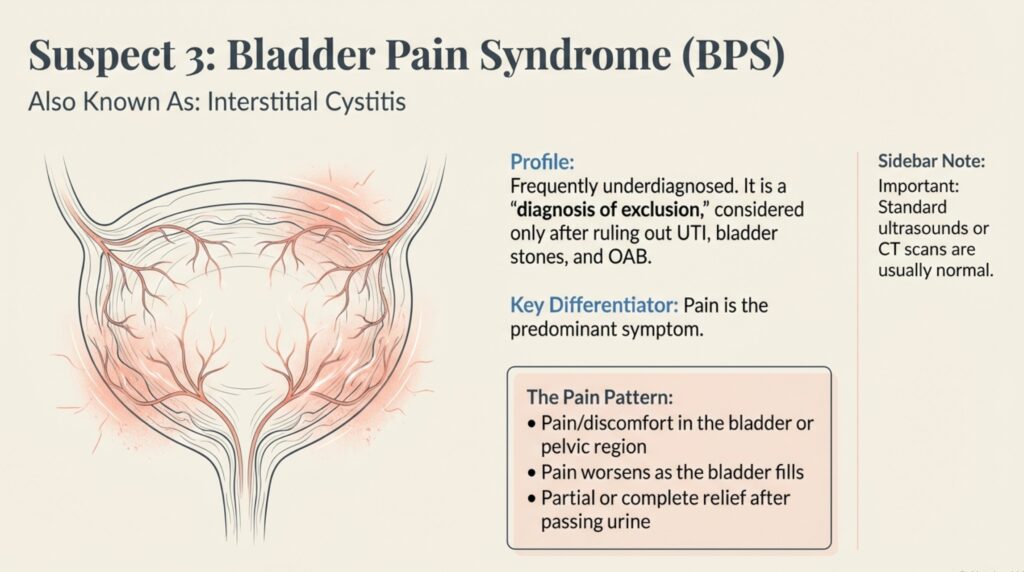
When pain becomes the predominant symptom, the diagnosis often shifts toward Bladder Pain Syndrome (BPS), also called Interstitial Cystitis. This condition is frequently underdiagnosed and misunderstood.
Typical features of bladder pain syndrome include:
Pain or discomfort in the bladder or pelvic region
Pain that worsens as the bladder fills
Partial or complete relief of pain after passing urine
Associated urinary frequency and urgency
Dr. Zaheen Khan highlights that BPS is a diagnosis of exclusion, meaning it is considered only after ruling out UTI, bladder stones, overactive bladder, and other structural causes. Imaging studies such as ultrasound or CT scan are usually normal.
Role of Cystoscopy in Diagnosis
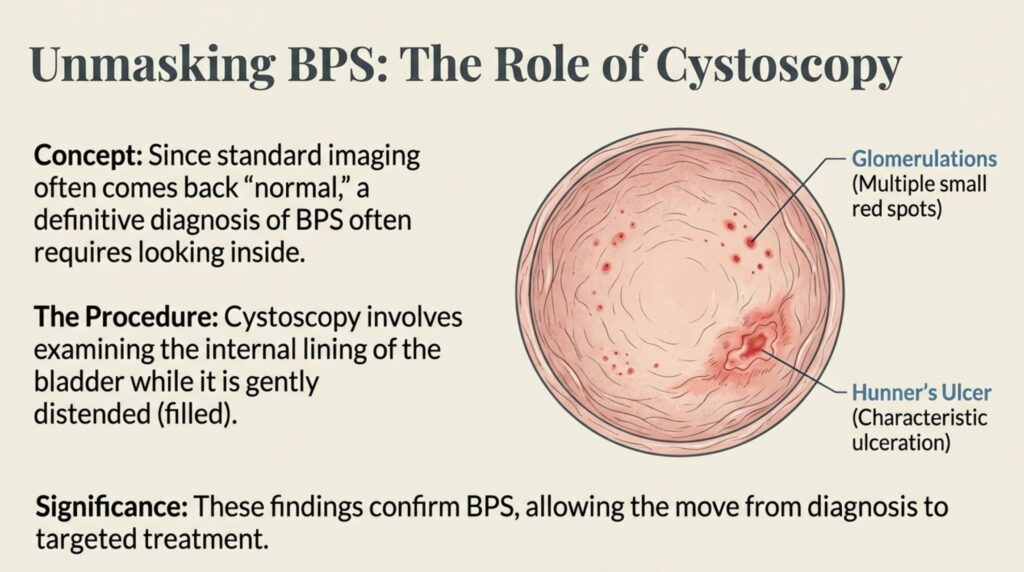
Definitive diagnosis of bladder pain syndrome often requires cystoscopy. During cystoscopy, the bladder is examined internally. When the bladder is distended, characteristic findings may be seen, such as:
Multiple small red spots (glomerulations)
A localized ulcer known as Hunner’s ulcer
The presence of these findings helps confirm the diagnosis of bladder pain syndrome or interstitial cystitis.
Stepwise Treatment Approach for Bladder Pain Syndrome
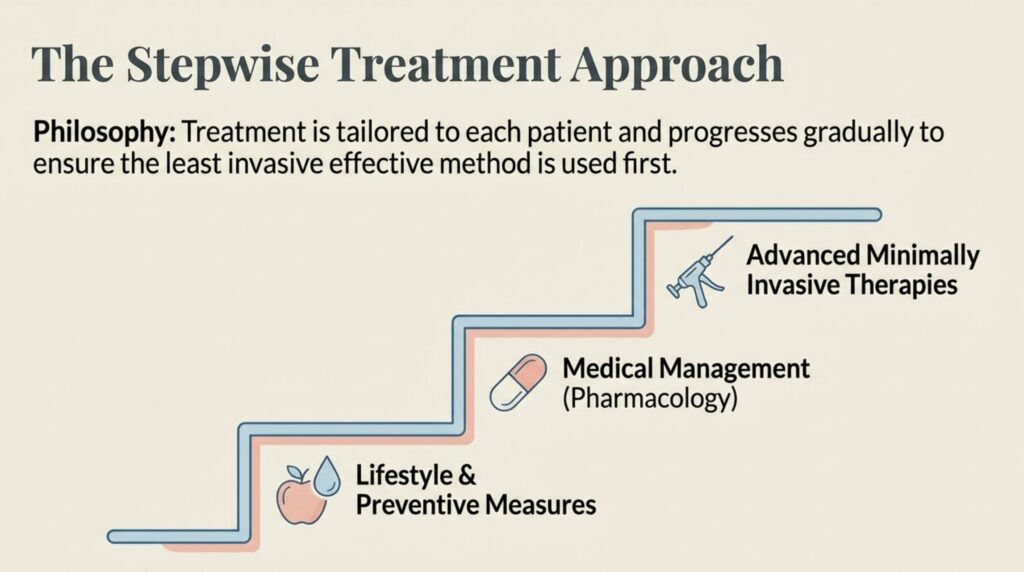
Treatment of bladder pain syndrome is challenging and requires a structured, stepwise approach. Dr. Zaheen Khan emphasizes that treatment is tailored to each patient and progresses gradually.
Lifestyle and Preventive Measures
Initial management focuses on lifestyle modification, including:
Avoiding bladder irritants such as tea, coffee, cold drinks, and spicy foods
Maintaining adequate but controlled water intake
Weight reduction in overweight patients
Smoking cessation
Many patients experience significant symptom improvement with these measures alone.
Medical Management
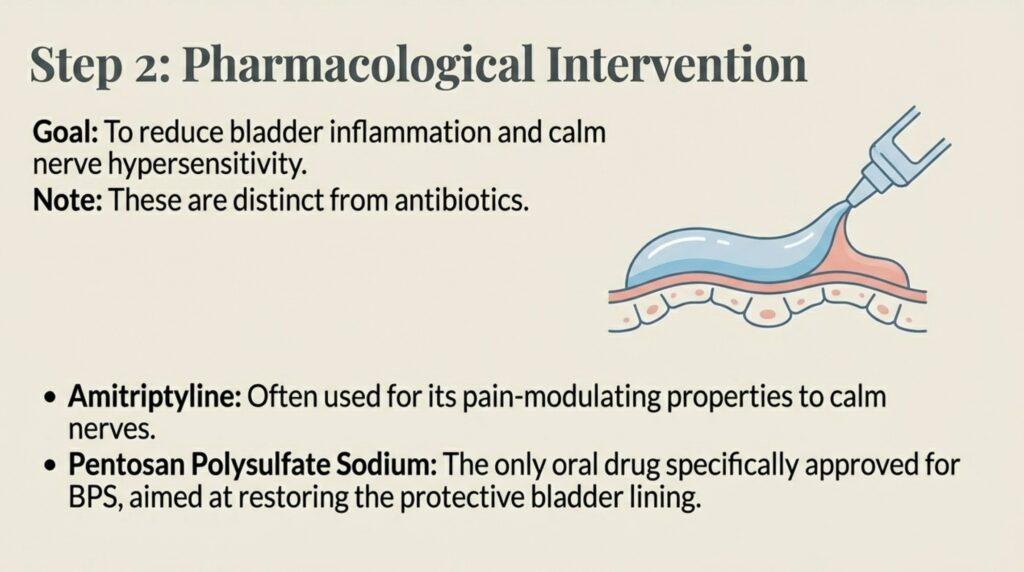
If lifestyle changes are insufficient, pharmacological therapy is initiated. Commonly used medications include:
Amitriptyline
Pentosan polysulfate sodium
These medications help reduce bladder inflammation and nerve hypersensitivity.
Advanced Minimally Invasive Therapies
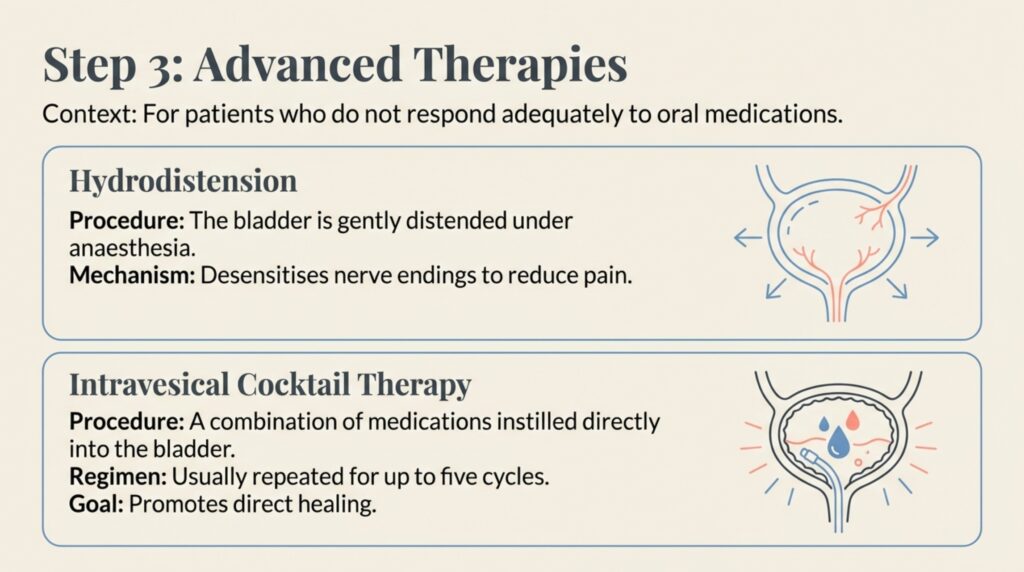
For patients who do not respond adequately to medications, advanced treatments are considered.
Hydrodistension is a minimally invasive procedure performed under anesthesia, where the bladder is gently distended. This helps reduce pain by desensitizing nerve endings.
Another effective option is intravesical cocktail therapy, where a combination of medications is instilled directly into the bladder. This treatment is usually repeated at regular intervals, often up to five cycles, to promote bladder healing and symptom relief.
Importance of Accurate Diagnosis
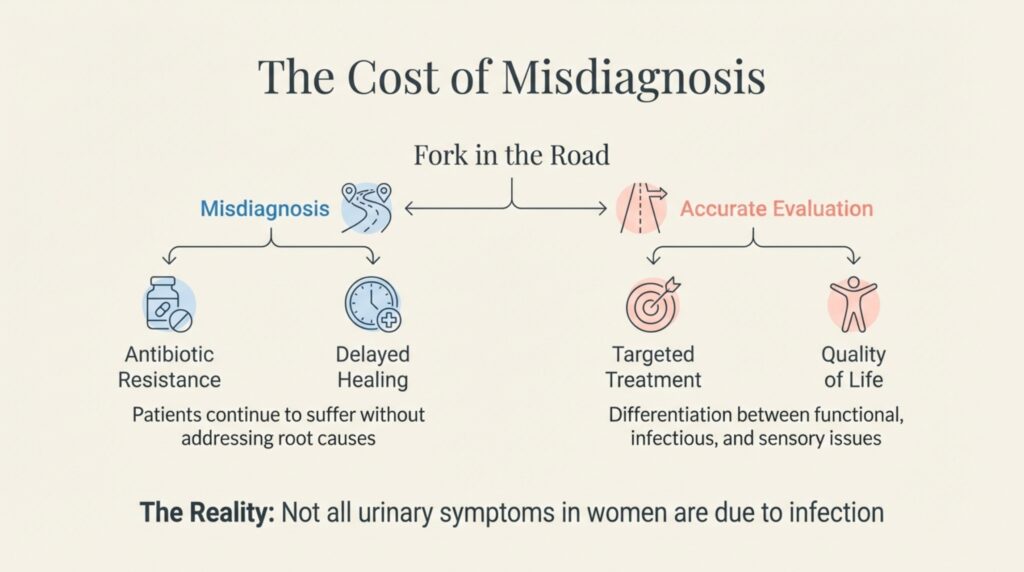
Dr. Zaheen Khan strongly emphasizes that not all urinary symptoms in women are due to infection. Misdiagnosis can lead to unnecessary antibiotic use, delayed treatment, and prolonged suffering.
Accurate evaluation by a qualified urologist is essential to differentiate between UTI, overactive bladder, and bladder pain syndrome. With proper diagnosis and a structured treatment approach, most patients experience significant improvement in symptoms and quality of life.
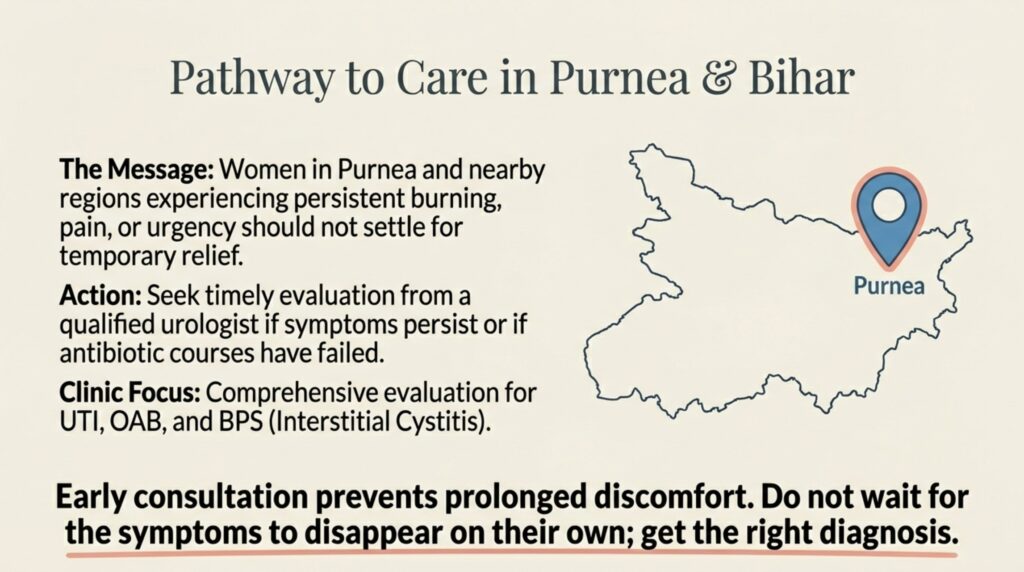
Female Urology Care in Purnea, Bihar
Women in Purnea, Bihar, and nearby regions who experience persistent urinary symptoms such as burning during urination, bladder pain, frequent urination, or urgency should seek timely evaluation from a qualified urologist. Many patients continue to suffer for months due to misdiagnosis or repeated antibiotic treatment without proper investigation.
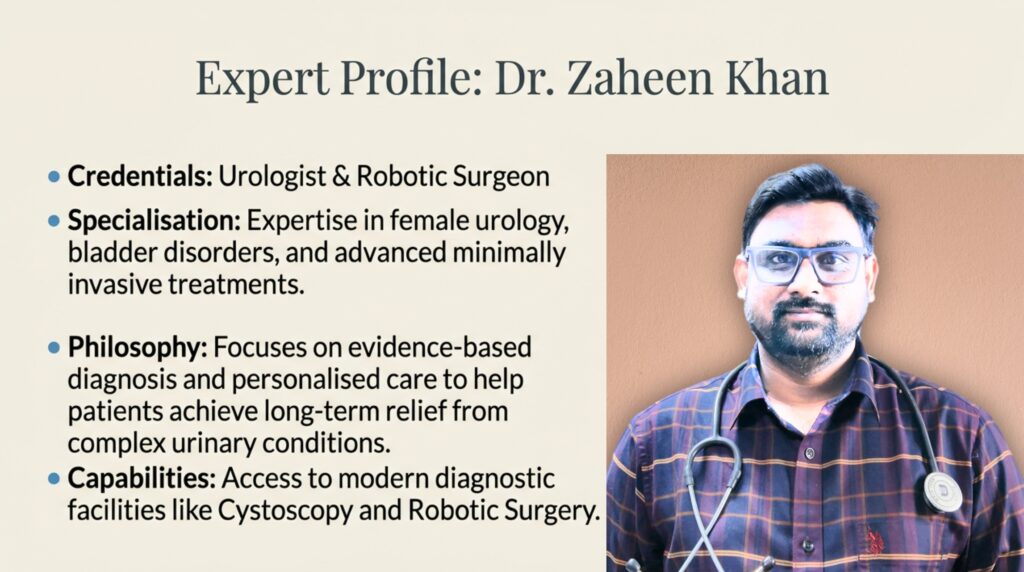
Dr. Zaheen Khan, a leading urologist and robotic surgeon in Purnea, provides comprehensive evaluation and advanced treatment for female urinary problems, including urinary tract infections, overactive bladder, and bladder pain syndrome (interstitial cystitis). With access to modern diagnostic facilities such as cystoscopy and advanced minimally invasive therapies, patients receive accurate diagnosis and personalized treatment plans.
If you are searching for a female urology specialist in Purnea, urologist in Bihar, or expert care for chronic bladder pain and urinary symptoms, early consultation can prevent prolonged discomfort and improve quality of life.