Robotic Surgery for Complex Kidney Tumors: Advanced Kidney-Saving Treatment
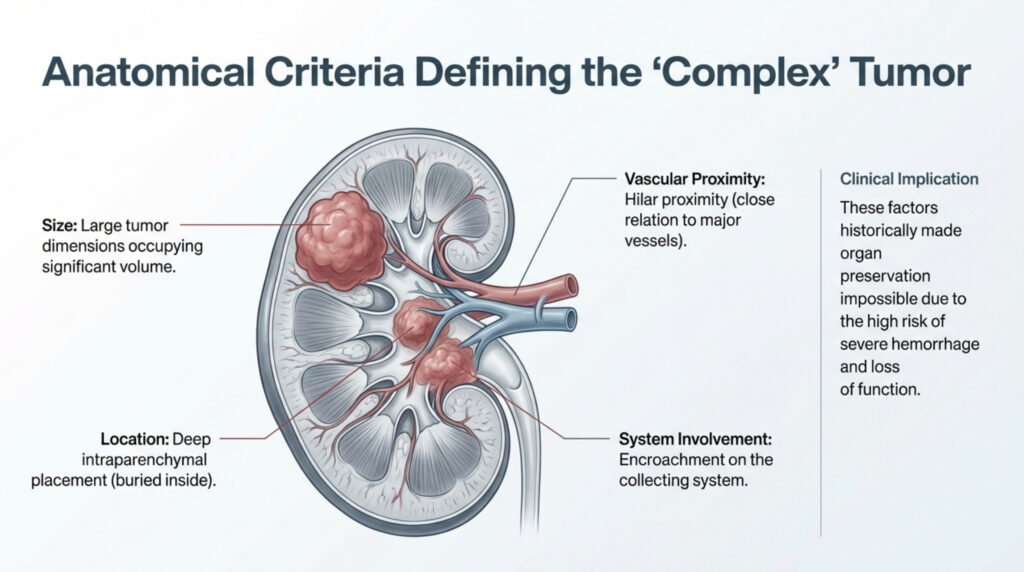
Kidney tumors are not always simple to treat. While many small kidney masses can be removed easily, some tumors are considered complex kidney tumors because of their size, deep location, proximity to major blood vessels, or involvement of important kidney structures.
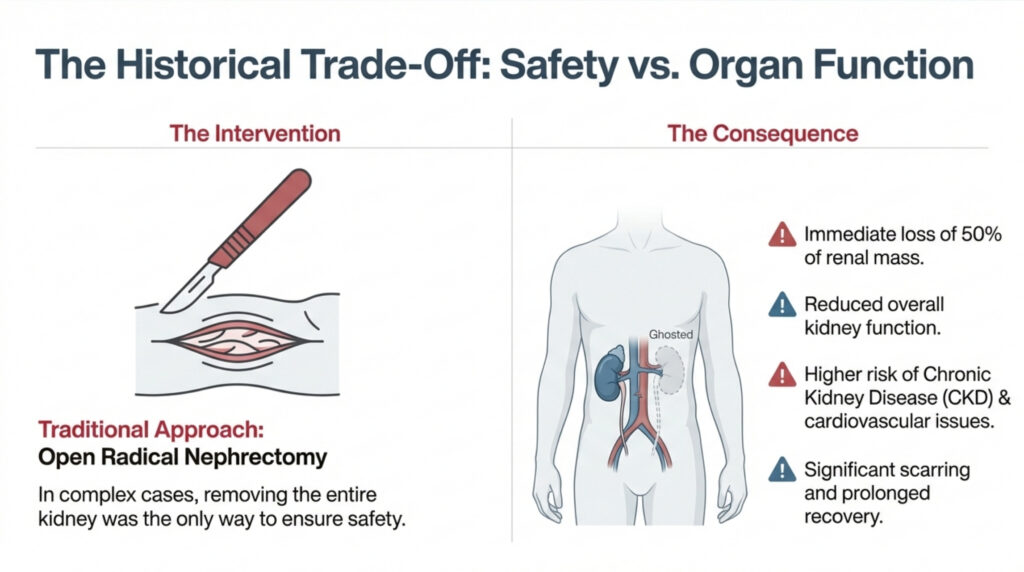
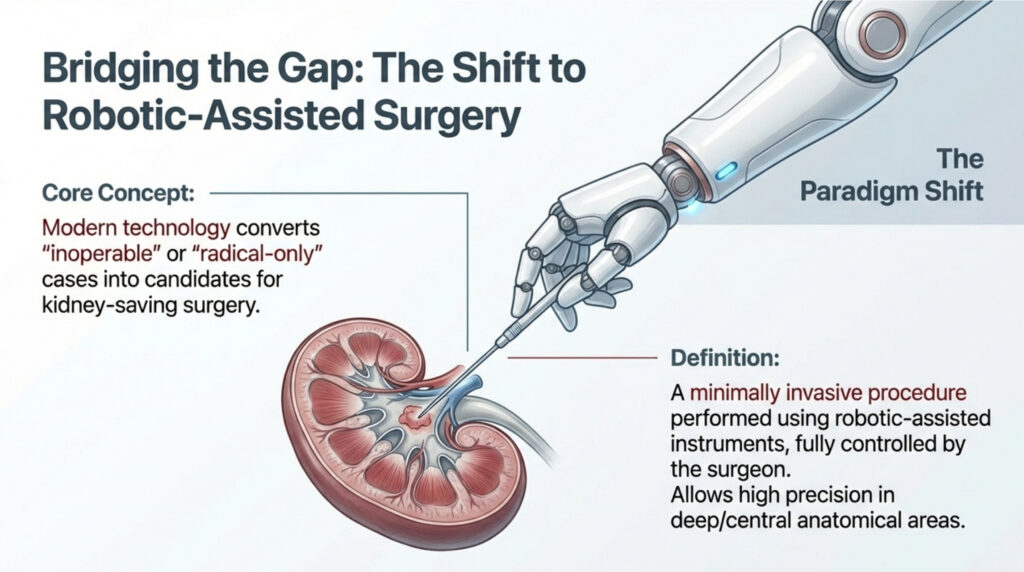
In the past, such tumors almost always required removal of the entire kidney through large open surgery. Today, with modern technology, many of these cases can be treated using robotic surgery.
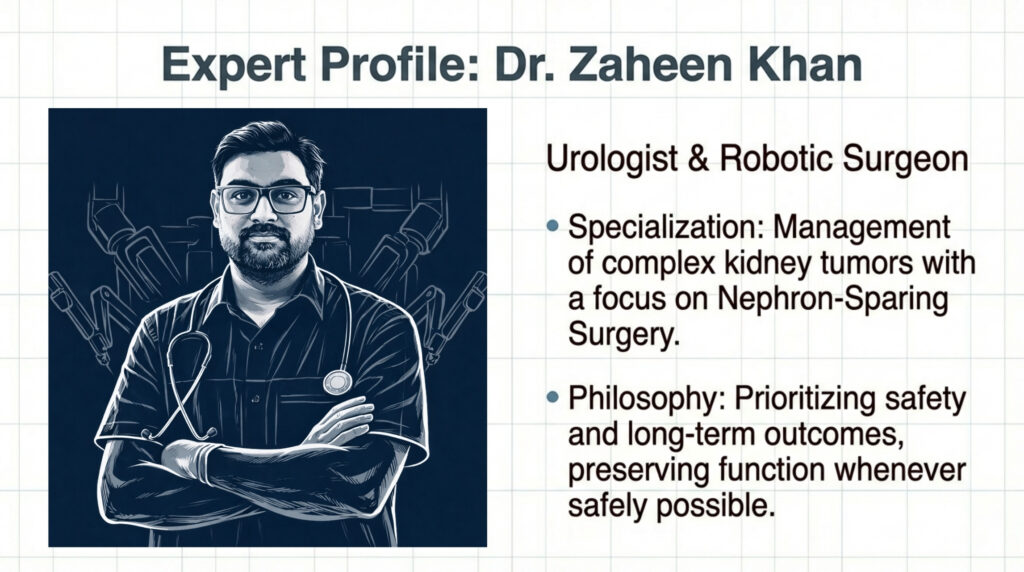
According to Dr. Zaheen Khan, Urologist & Robotic Surgeon, robotic kidney tumor surgery has significantly improved the ability to remove difficult tumors while still preserving kidney function whenever safely possible.
What Makes a Kidney Tumor “Complex”?
A tumor is considered complex when it becomes surgically challenging due to:
Large size
Deep location inside the kidney
Close relation to major blood vessels
Central position near the urine collecting system
Involvement of multiple kidney segments
Previous failed surgery or scar tissue
Such tumors require extremely precise surgery because a small mistake can cause severe bleeding or loss of kidney function.
Traditional Treatment vs Modern Approach
Earlier Approach (Open Radical Nephrectomy)
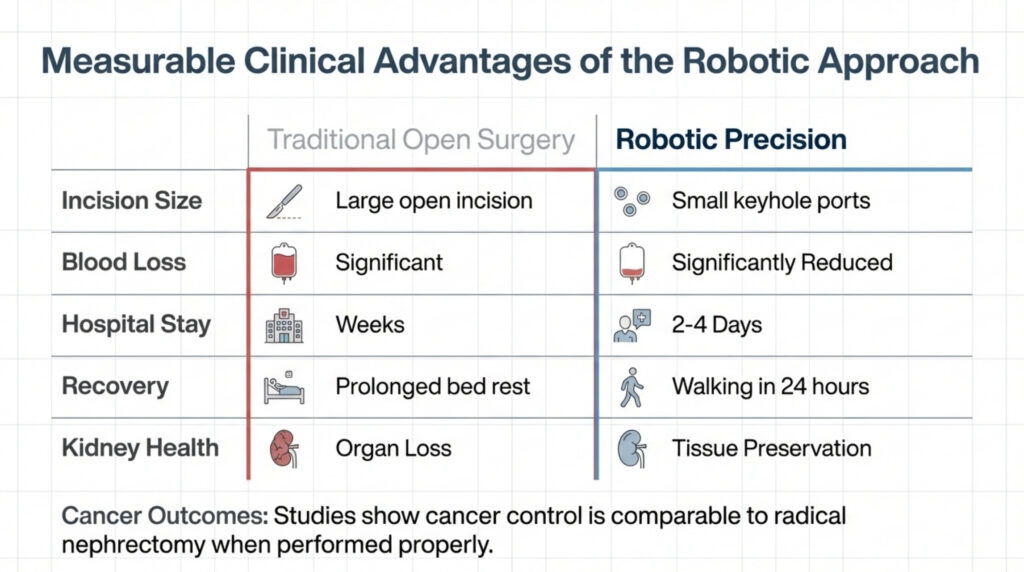
In complex tumors, surgeons traditionally removed the entire kidney to ensure safety and complete cancer removal. While effective, this could lead to:
Reduced kidney function
Higher risk of chronic kidney disease
Larger scars and longer recovery
Modern Approach (Robotic Surgery)
Robotic technology now allows surgeons to operate with high precision even in difficult areas, making kidney-saving surgery possible in many complex cases.
What Is Robotic Kidney Tumor Surgery?
Robotic kidney surgery is a minimally invasive procedure performed using robotic-assisted instruments controlled entirely by the surgeon.
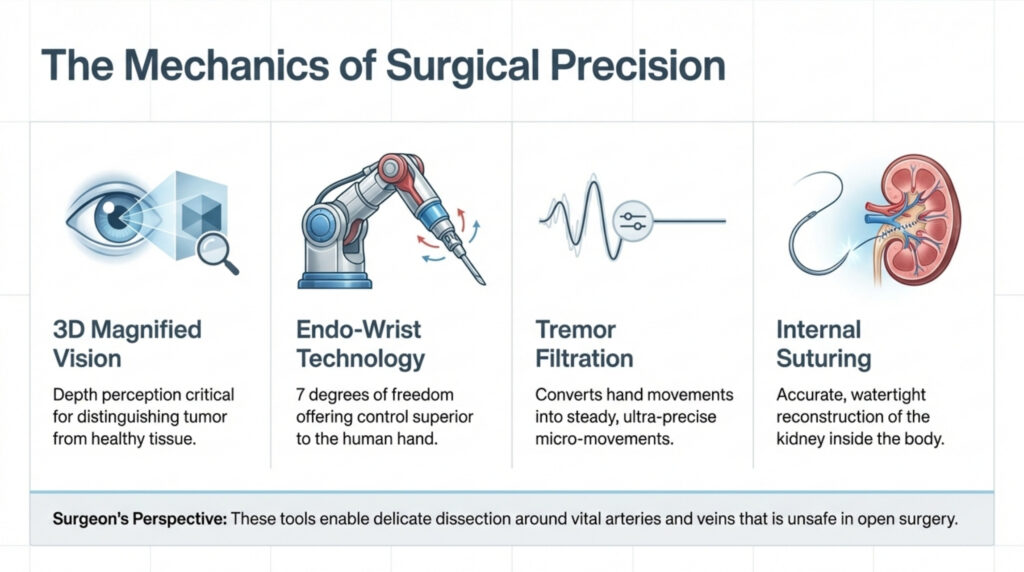
The robotic system provides:
3D magnified vision
Tremor-free movements
Fine wrist-like instrument control
Accurate suturing inside the body
These advantages are especially important for deep or central tumors.
Robotic Partial Nephrectomy in Complex Tumors
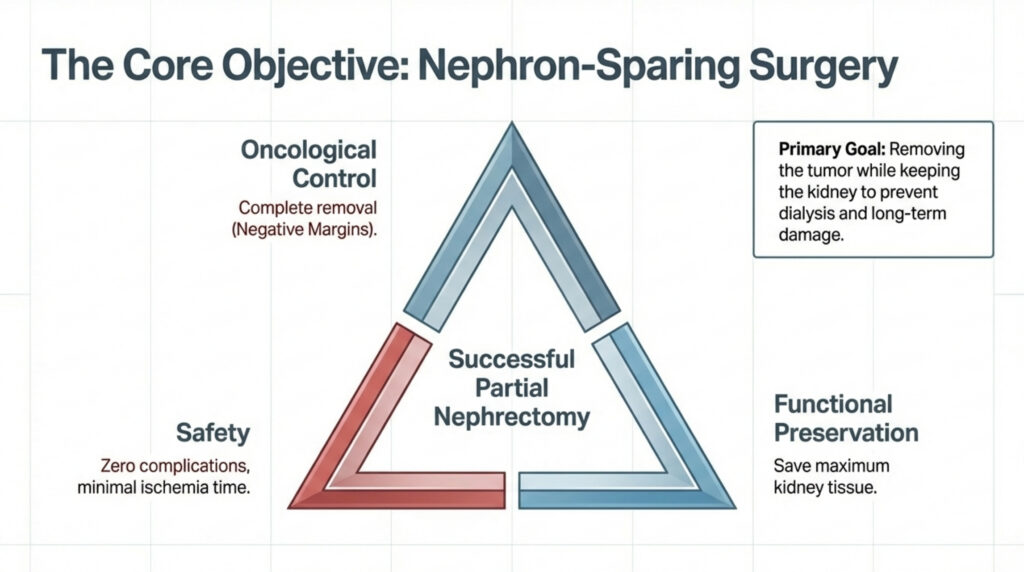
One of the major advancements in urology is the ability to perform robotic partial nephrectomy even in selected complex tumors.
The goal is: ✔ Remove the tumor completely ✔ Preserve as much normal kidney as possible ✔ Prevent long-term kidney damage
Dr. Zaheen Khan carefully evaluates imaging before deciding whether kidney preservation is safe.
Benefits of Robotic Surgery for Complex Kidney Tumors
1. Kidney Function Preservation
Saving kidney tissue reduces long-term risk of kidney failure and heart disease.
2. High Surgical Precision
Robotic instruments allow delicate dissection around arteries and veins.
3. Reduced Blood Loss
Better visualization helps control bleeding effectively.
4. Faster Recovery
Small incisions allow patients to recover quickly compared to open surgery.
5. Shorter Hospital Stay
Most patients go home within a few days.
6. Comparable Cancer Control
Studies show similar cancer outcomes compared to radical nephrectomy when performed properly.
When Entire Kidney Removal Is Still Required?
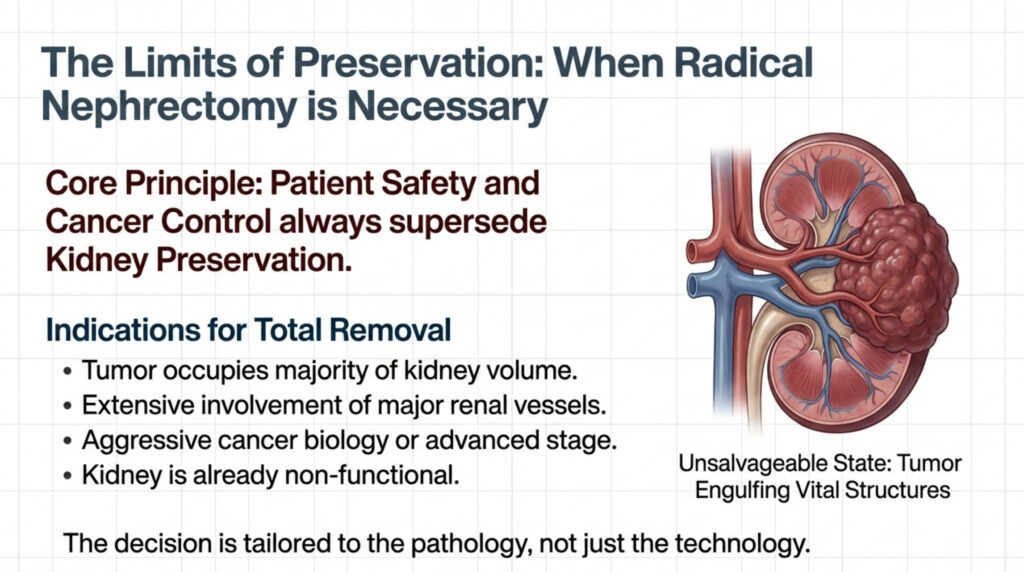
Not all complex tumors can be preserved safely. Radical nephrectomy may still be necessary when:
Tumor occupies most of the kidney
Major vessels are extensively involved
Cancer is aggressive or advanced
Kidney is non-functional
The priority always remains patient safety and complete cancer removal.
Pre-Surgery Evaluation
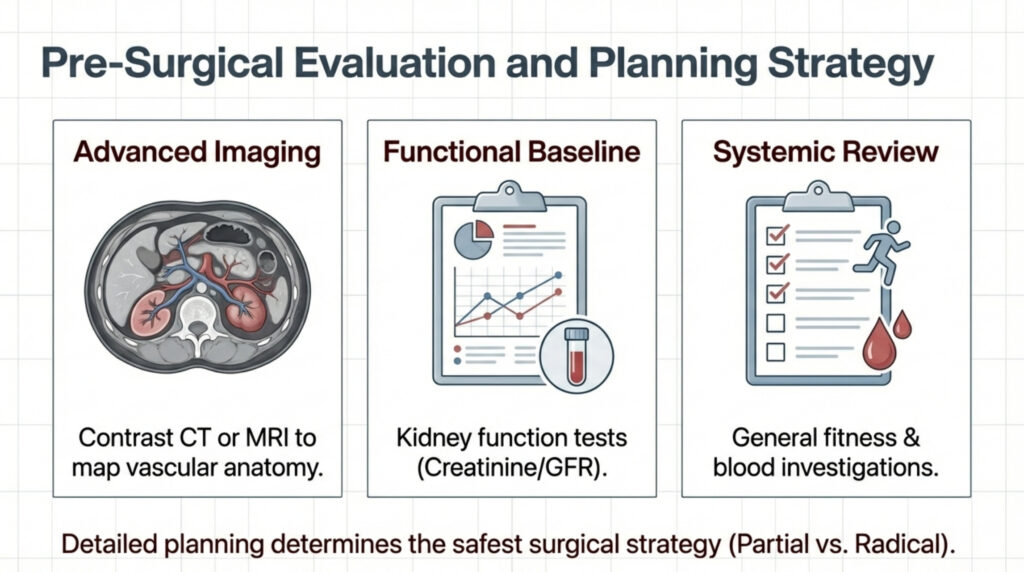
Before robotic surgery, patients undergo:
Contrast CT scan or MRI
Kidney function tests
Blood investigations
General fitness evaluation
Detailed planning helps determine the safest surgical strategy.
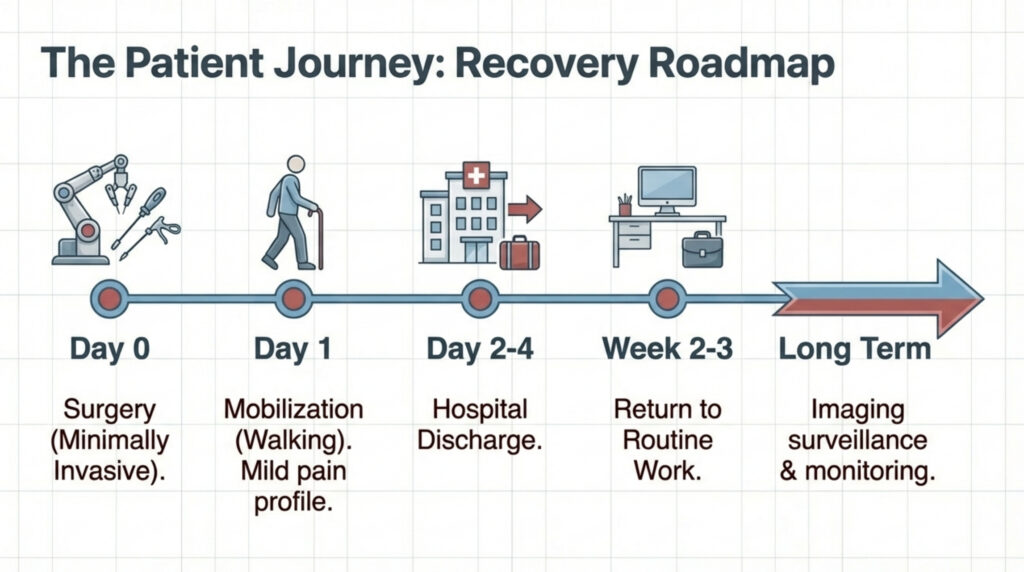
Recovery After Robotic Kidney Tumor Surgery
Patients usually experience:
Walking within 24 hours
Mild pain compared to open surgery
Discharge in 2–4 days
Return to routine work in 2–3 weeks
Long-term follow-up includes imaging and kidney function monitoring.
Importance of Early Detection
Many complex tumors become difficult because they are detected late. Early evaluation of symptoms such as flank pain, blood in urine, or incidental findings during ultrasound helps increase the chance of kidney-saving surgery.
Advanced Kidney Tumor Care in Bihar
Patients from Purnia, Katihar, Araria, Kishanganj, Saharsa, Supaul, other regions of Bihar, and nearby West Bengal districts often require advanced treatment for kidney tumors.
Robotic urology now allows such patients to receive modern treatment closer to home without traveling long distances.
Dr. Zaheen Khan provides evaluation and robotic management for suitable kidney tumor cases with focus on safety and long-term outcomes.
Conclusion
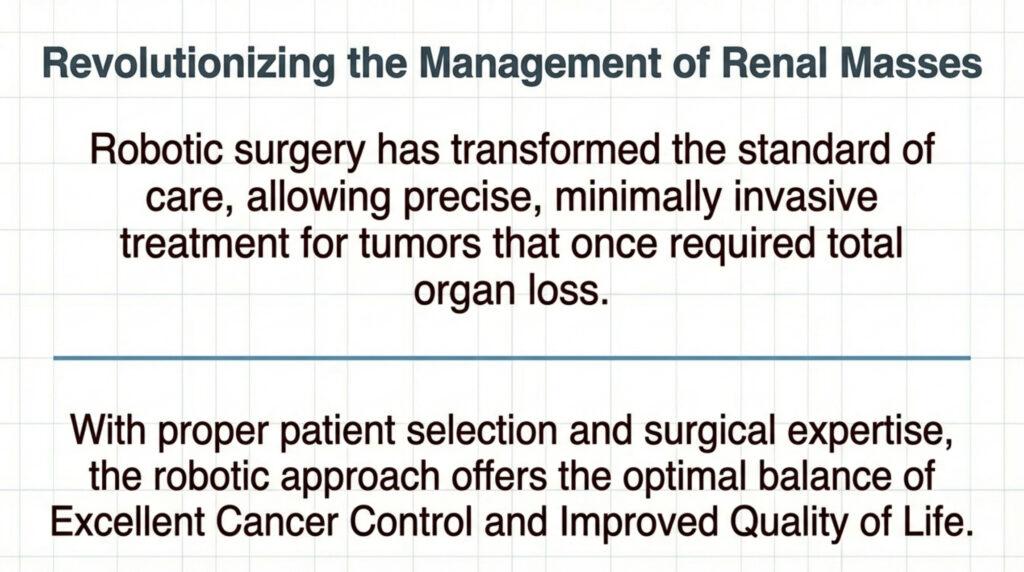
Robotic surgery has revolutionized the management of complex kidney tumors. Many tumors once requiring complete kidney removal can now be treated with precise, minimally invasive techniques.
The choice between kidney preservation and removal depends on tumor characteristics, patient health, and surgical judgment. With proper selection and expertise, robotic surgery offers excellent cancer control along with improved quality of life.